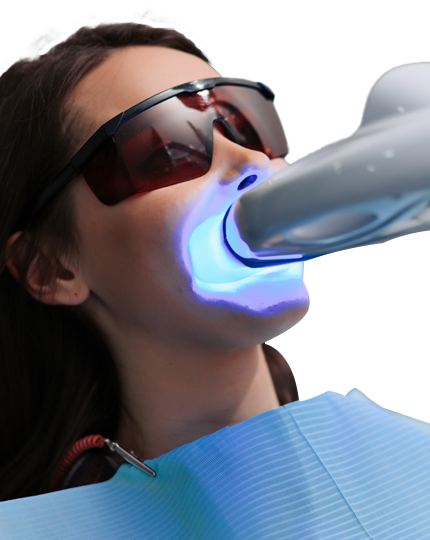
#INFORMATION
WHY TEETH WHITENING?
POINTS TO CONSIDER
Applying a white teeth diet (drinking white wine instead of red wine, apple juice instead of cherry juice or cappuccino instead of espresso, avoiding beverages such as coffee, tea, cola and tomato paste foods, staying away from acidic foods such as grapefruit, lemon, etc.), especially for 2 weeks after whitening, and It is important to supplement this with a toothpaste with whitening properties.
It is necessary to consume light-colored foods as much as possible and avoid very hot and very cold foods in order to avoid sensitivity. Stain accumulates on surfaces over time and the more we comply with these criteria, the farther the need for whitening will be next.
#OPERATIONDETAILS
OPERATION PROCESSES
- SURGERY PROCESS20-40 Minutes
- ANESTHESIANo Anesthesia
- HEALING TIME4-6 Days
- EXPECTED RESULTSWhite and Renewed Smile
- PREFERRED TECHNIQUEIt May Vary According To The Need Of The Patient
#CURIOUSSABOUT
FREQUENTLY ASKED QUESTIONS
Will I Feel Pain During the Whitening Process?
It is normal to have tooth sensitivity from time to time, but not pain during the procedure and on the day after the procedure. But this is a temporary situation.
Will My Teeth Whiten Immediately After Whitening?
Whitening time may vary from person to person. For example, yellow-toned teeth whiten much more quickly than gray or teeth that are discolored due to antibiotic use.
But most people’s teeth generally whiten in 2-3 weeks. Otherwise, additional sessions or home bleaching support can be given according to the tooth tone of the person.
How Long Does Teeth Whitening Retain Its Effect?
Coffee, cigarettes, tea, etc. If it is consumed frequently, re-whitening may be required between 6 months and 1 year as the teeth will become discolored.
However, in people who have good oral care and stay away from colored foods as much as possible, whitening maintains its effect for up to 2 years. Remember, the better you protect it, the longer the effect will be!
What are the Side Effects of Teeth Whitening?
After teeth whitening, a sensitivity can be seen in the teeth for 24-48 hours. This is normal and temporary. In order for this situation not to occur or to be seen at a minimum, the physician may apply fluoride to the patient or recommend potassium nitrate-containing desensitizing pastes.
In Which Cases Will Whitening Not Be Done?
In individuals with poor oral hygiene, first of all, a dental cleaning should be done and the mouth should be healthy. Afterwards, whitening can be done. If there is a structural defect (amelogenesis imperfecta, dentinogenesis imperfecta) concerning the enamel or dentin in the teeth, whitening cannot be performed. In cases with advanced tetracycline stains on the teeth, whitening may be effective to a certain extent, but it is impossible to completely remove the stains. Bleaching cannot be done in individuals with broken, cracked or hypersensitivity teeth. Bleaching cannot be performed in individuals with excessive gingival recession and exposed roots.
Can The Desired Whiteness Be Achieved At All Times?
Yes, usually available. However, in case of severe antibiotic discoloration or stains, there are alternative treatment methods such as laminate veneer (leaf porcelain) or composite veneer that will increase aesthetics.